Tarp, Tent, Or Trekking Pole Tent
As an Amazon Associate I earn from qualifying purchases.
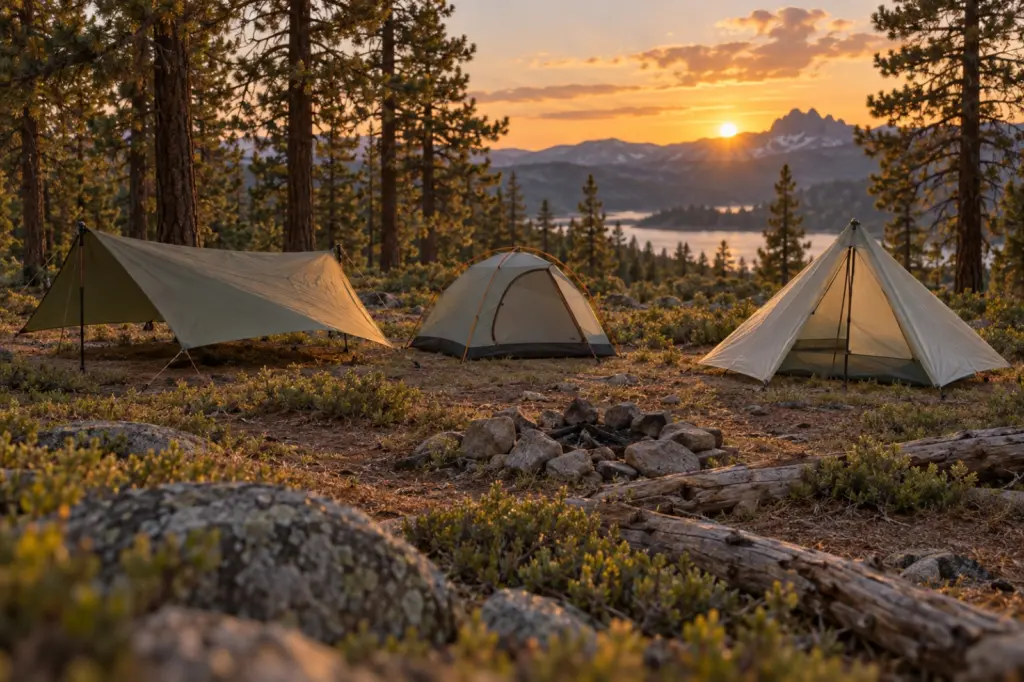
Your shelter is one of the three heaviest things you carry, and it’s the easiest of the three to get wrong. Most people pick by price or by looks. The better question is where you’ll be sleeping, because the ground decides more than the budget does.
There are three ways to do it.
A Flat Tarp And A Groundsheet
A tarp is a sheet of fabric you pitch over yourself with your trekking poles or a tree, plus a separate sheet on the ground under you. It’s the lightest and cheapest shelter there is, and there’s nothing on it to break.
The downside is bugs. A tarp has no walls and no netting, so on a night with mosquitoes it’s miserable. In dry, bug-light places like the desert or the Sierra in August, it’s a perfectly good shelter. Anywhere buggy, skip it.
A Freestanding Or Semi-Freestanding Tent
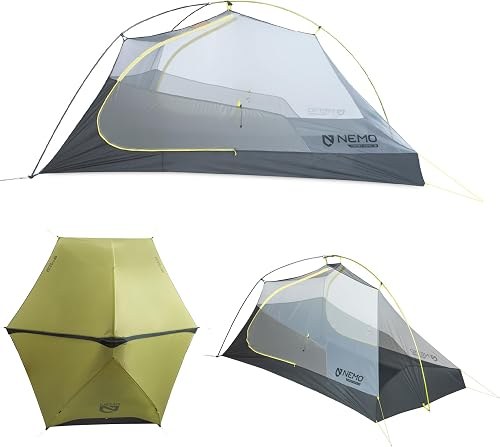
A freestanding tent has its own poles and holds its shape without stakes. A semi-freestanding tent needs a stake or two to finish the pitch, but it still stands up mostly on its own. That’s what lets these tents pitch on solid rock and on the wooden tent platforms some campgrounds and trails use, where you can’t drive a stake.
The cost is weight. Those dedicated poles are extra weight a trekking pole tent doesn’t carry. The NEMO Hornet OSMO 1P is the good middle ground: semi-freestanding at about 2 pounds, so it works on rock and platforms without being heavy.
A Trekking Pole Tent
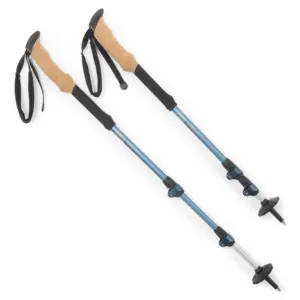
A trekking pole tent uses the poles you already hike with as its frame. Because you’re not carrying separate tent poles, it saves roughly a pound over a freestanding double-wall tent with the same floor space. That’s one of the biggest single savings in a backpacking kit.
The catch is the same thing that makes it light. It needs stakes in the ground and poles to hold it up. On rock or a wooden platform, you’ll wish you had a tent that stood up by itself. And if you don’t hike with trekking poles, you’d have to start, or buy poles just for the tent.
The best of these aren’t sold on Amazon. Durston, Zpacks and Six Moon Designs sell direct, and they beat anything listed on Amazon for weight per dollar. An Amazon search mostly turns up generic copies of their designs. If you go this route, buy from them.
How To Choose
Answer three questions:
- Do you hike with trekking poles? If not, a pole tent means changing how you hike, not just what you carry.
- Where do you usually pitch? If it’s often rock or wooden platforms, get a semi-freestanding tent. If it’s dirt and forest floor, a pole tent is fine.
- How bad are the bugs? If they’re bad at all, rule out the tarp.
For most people hiking on dirt with poles in hand, the trekking pole tent is the answer. If you camp on rock or platforms, the NEMO is. The tarp is for dry country, and for people who already know they like sleeping under one.