Here's to the learners, the curious, and the art of practice.
Life Is Beta is a way of thinking. We’re here for the learners. The curious. The people who try, fail, and try again.
When a software company ships something new, it often carries a Beta label. It’s an honest flag: not quite finished, a few rough edges, guaranteed to change. But a beta isn’t a warning. It’s an invitation to test.
That’s what this is really about: testing ourselves. Putting knowledge, gear, and experience into practice to get better – on the trail, in the garden, in the workshop, at home when the power goes out. Here’s to the art of practice.
Around here that looks like backpacking and camping. Preparedness for the storms, outages, and surprises that eventually visit everyone. And the self-sufficiency skills that used to be common knowledge: growing something, fixing something, keeping animals, putting food up.
I’m Jesse. I live in Tennessee, and my testing ground is whatever’s in front of me: the trail, the garden, the coop, the garage. I’m not a professional mountaineer or a survival guru. I’m someone who tries a lot of things, always looks to improve, and pays attention to what worked – and as importantly, what didn’t.
The margin between a type-2 fun story and a real emergency is usually just preparation.
Most trips go exactly as planned. The ones that don’t are the ones that matter. Sometimes that’s small: the right headlamp so you’re not stumbling back to camp in the dark, a first aid kit you actually know how to use, a backup water filter because the primary clogged on day two.
Sometimes it’s bigger: knowing what to do when a storm moves in faster than the forecast said, how to recognize hypothermia in a hiking partner, or when to turn around on a summit attempt.
And the same thinking applies at home. A few days of water, a way to cook when the power’s out, a radio that doesn’t need the grid, a plan the whole house knows. None of it is doomsday stuff. It’s the ordinary competence people used to take for granted – and it’s very learnable.
The big emergencies are rare. The small ones – blisters that sideline you, a sprained ankle three miles from the trailhead, a dead battery, a zipper that fails in a rainstorm – aren’t.

Prepared isn’t paranoid. It’s the difference between a story you tell and a problem you have – and it’s a skill. Like any skill, it gets better with practice and good information.
Honest takes from real use – on the trail and around the house. No guaranteed positive coverage, just what worked, what didn’t, and whether it’s worth carrying.
Trip plans, gear lists, emergency prep, and how-tos – from your first backpacking kit to your first blackout kit. The reading that makes the difference when things go sideways.
Gear I actually bought, carried, and put to work. Nothing gets listed until it earns it. Affiliate links – doesn’t change your price, helps keep this going.
The YouTube channel is where the longer stories live.
Trip videos, real-time gear tests, backyard projects, and the occasional disaster that turned into a lesson. This site is the written companion – the stuff that’s easier to reference than to watch.
What people are clicking across the shop.
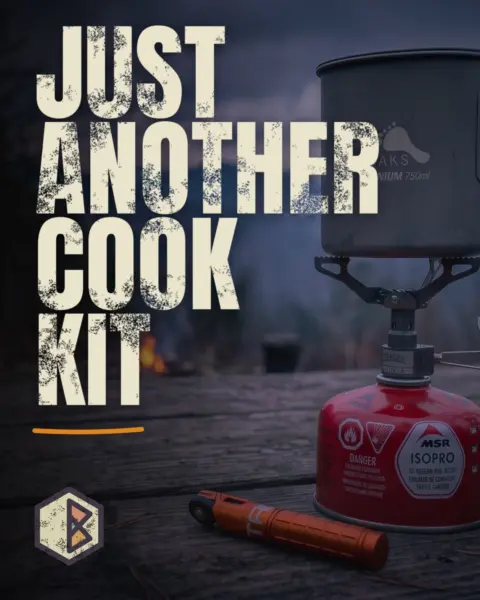
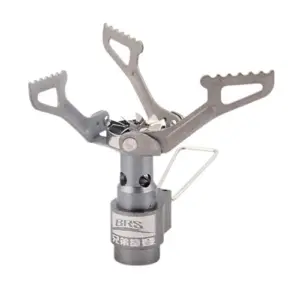
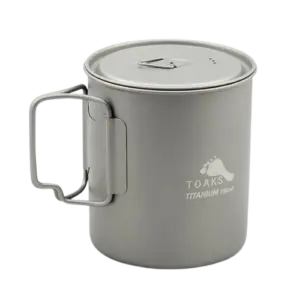
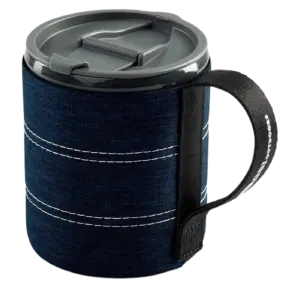
NEW VIDEO UP! Who am I kidding? My FIRST video is up. 💀 Six stoves later, I'm still using the cheap one. Five years of the same cook kit, more or less. The Toaks 750 has never changed, I own the 900 and the 1100 and I keep coming back to this one. I went through a Soto Windmaster, an MSR PocketRocket 2, a couple of no names, and for boiling water the BRS 3000T at 1.44 oz does the job for under seventeen bucks. The windscreen I carry and never use. That's fine. What actually surprised me is the coffee cup: it never stays nested, because I want one more cup for the trail and it ends up out of the pot every single morning anyway. Which also means it's the thing you leave at camp. Ask me how I know. New this round: a pot cozy I haven't tested yet, and a lid with a temperature gauge so I can stop boiling past what I need. Full breakdown and gear links in the bio. #cookkit #ultralightbackpacking #titaniumcookware #backpackinggear #lifeisbeta
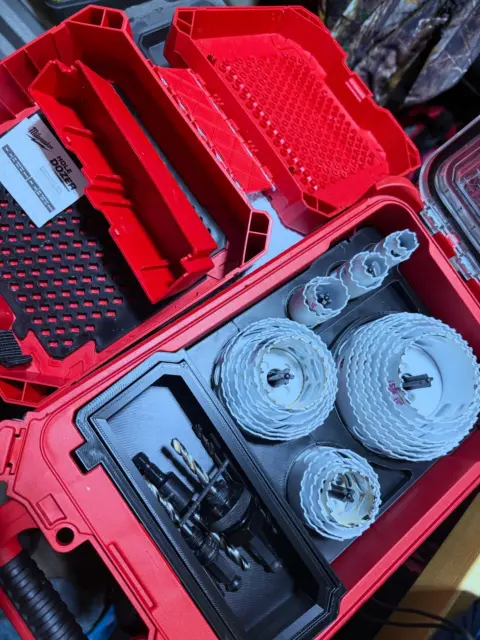
Out with the sucky Milwaukee case for the Hole Dozer kit. In with the Packout Insert from @codebreakerlabs_au - great upgrade.
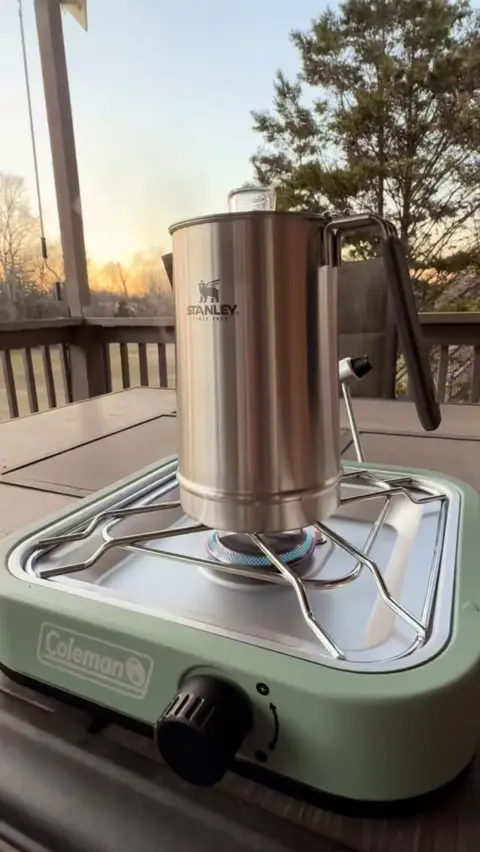
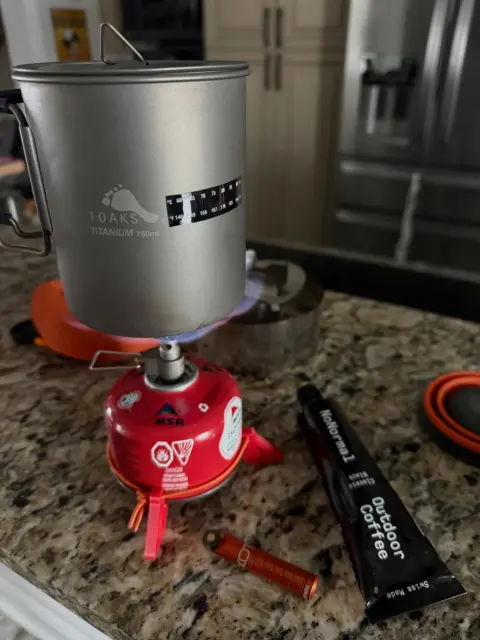
Winter storm power outage is an opportunity to try out your preps in a far more controlled way. The @nonormalco coffee paste is surprisingly good. Wasn’t planning on getting to try it out till my next backpacking trip.
Trip notes and gear reviews, straight to your inbox. No spam.