How To Cut Base Weight Without Replacing Everything
As an Amazon Associate I earn from qualifying purchases.
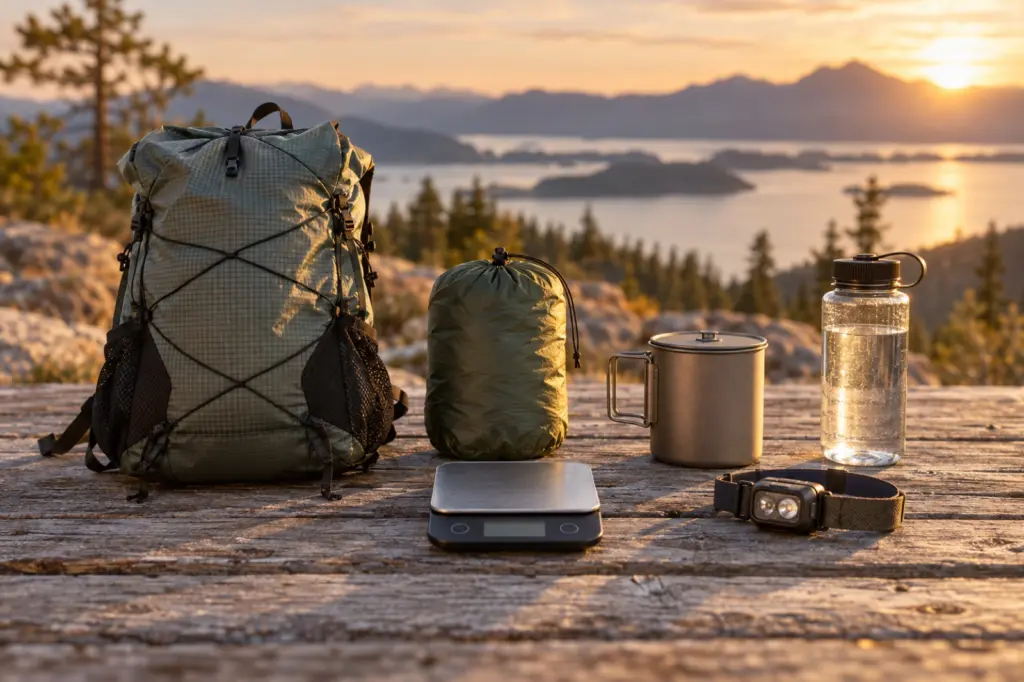
Most people start cutting weight in the wrong place. They trim tags, saw the handle off a toothbrush, and swap a steel spoon for a titanium one. That saves a few grams. Your pack, your shelter and your sleep insulation make up roughly three quarters of your base weight, so that’s where the pounds are.
Base weight is everything on your back except food, water and fuel. It stays the same from trip to trip, which is why it’s the number worth working on.
You don’t have to replace your whole kit to bring it down. You need to know what each piece really weighs, fix the few pieces that matter, and buy in the right order.
Step 1: Weigh Everything
Buy a scale before you buy anything else. It’s the cheapest thing in this guide, and it turns every other decision from a guess into a number.
Catalog weights tend to run an ounce or two light per item. Across a full kit, that adds up to more than a pound you don’t know you’re carrying. Weigh every piece once, write the real numbers down, and work from those. If you log your gear in Trekkr, it keeps the totals for you.
A kitchen scale that reads to 1 gram covers almost everything. Get a 0.1-gram scale only if you already know you’ll want to weigh tent stakes.
Step 2: Fix The Big Three, In This Order
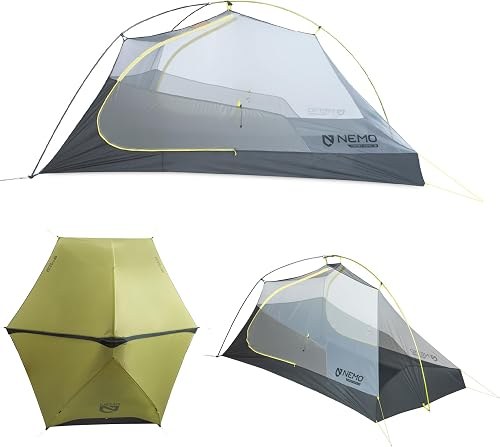
Shelter first. A shelter that pitches on the trekking poles you already carry saves about a pound over a freestanding double-wall tent with the same floor space. The catch is rock and wooden tent platforms, where a pole shelter can’t stand up. If you camp on those a lot, a semi-freestanding tent like the NEMO Hornet OSMO 1P is the middle ground at about 2 pounds.
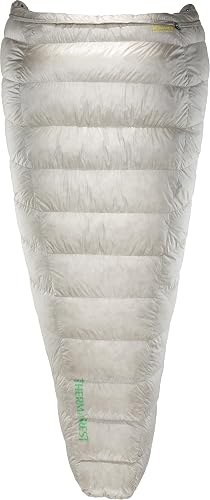
Sleep insulation second. A quilt leaves out the insulation you crush flat under your back and the zipper you never use, so it’s warmer per ounce than a sleeping bag with the same fill. Most side sleepers get used to one in about two nights. If you really thrash in your sleep, keep your bag. The Therm-a-Rest Vesper 20F is one of the few real quilts you can buy off the shelf instead of ordering direct.
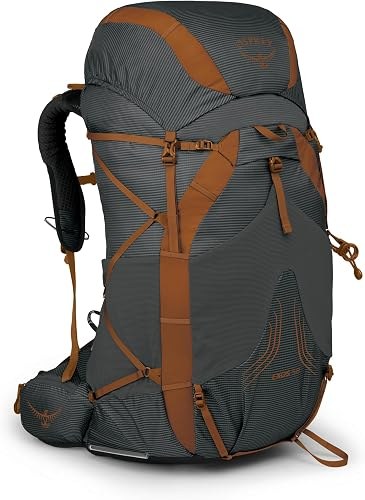
The pack last. Going from a five-pound pack to a two-pound pack saves three pounds on every trip, more than any amount of trimming elsewhere. But frameless and very light packs carry badly once your load passes about 25 pounds. Cut everything else first, then buy the pack that fits the load you actually carry. The Osprey Exos 58 is the sweet spot you can buy off the shelf: about 2 pounds 12 ounces, and it carries 30 to 35 pounds comfortably.
The Big Three
Shelter, quilt and pack, in the order to buy them.
Step 3: Don’t Cut These
In a few places, saving money or ounces costs you the trip instead.
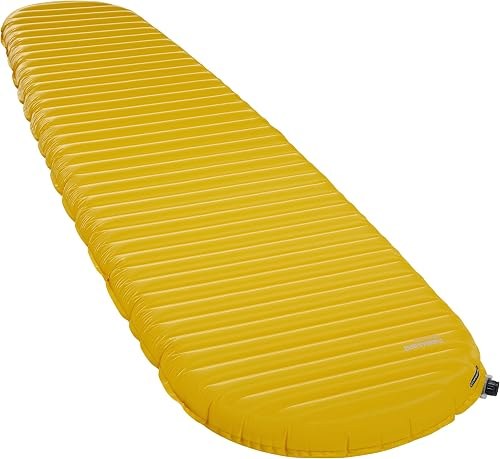
- Your sleeping pad. R-value keeps you warm, not thickness. Below about R4 you lose heat into the ground no matter how good your quilt is, and this is the item beginners most often under-buy. The Therm-a-Rest NeoAir XLite NXT is R4.5 at about 13 ounces, which is where most three-season hikers end up.
- Your shoes. Trail runners are lighter than boots and dry in hours instead of days, but fit matters more than any spec. Buy half a size up, because your feet swell by the third day.
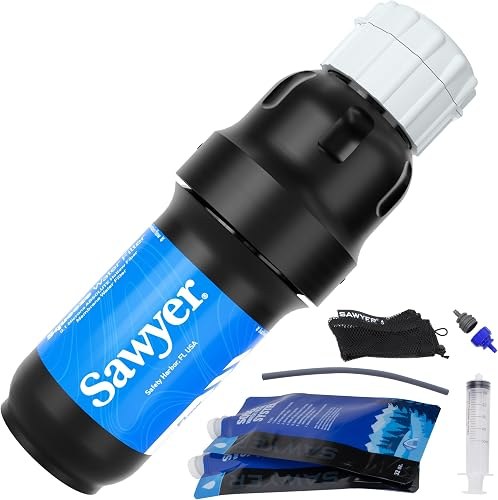
- Water treatment. A clogged filter can end a trip. The Sawyer Squeeze is what most people carry because you can backflush it in the field, so carry the syringe. Never let a hollow-fiber filter freeze: it cracks inside, and you can’t tell by looking.
Worth Paying For
The pad and the filter. Shoes are whatever fits your foot.
Leave The Small Stuff For Last
The toothbrush handle can wait. Weigh everything, fix the big three in order, keep the pad, shoes and filter you can trust, and only then go looking for grams.